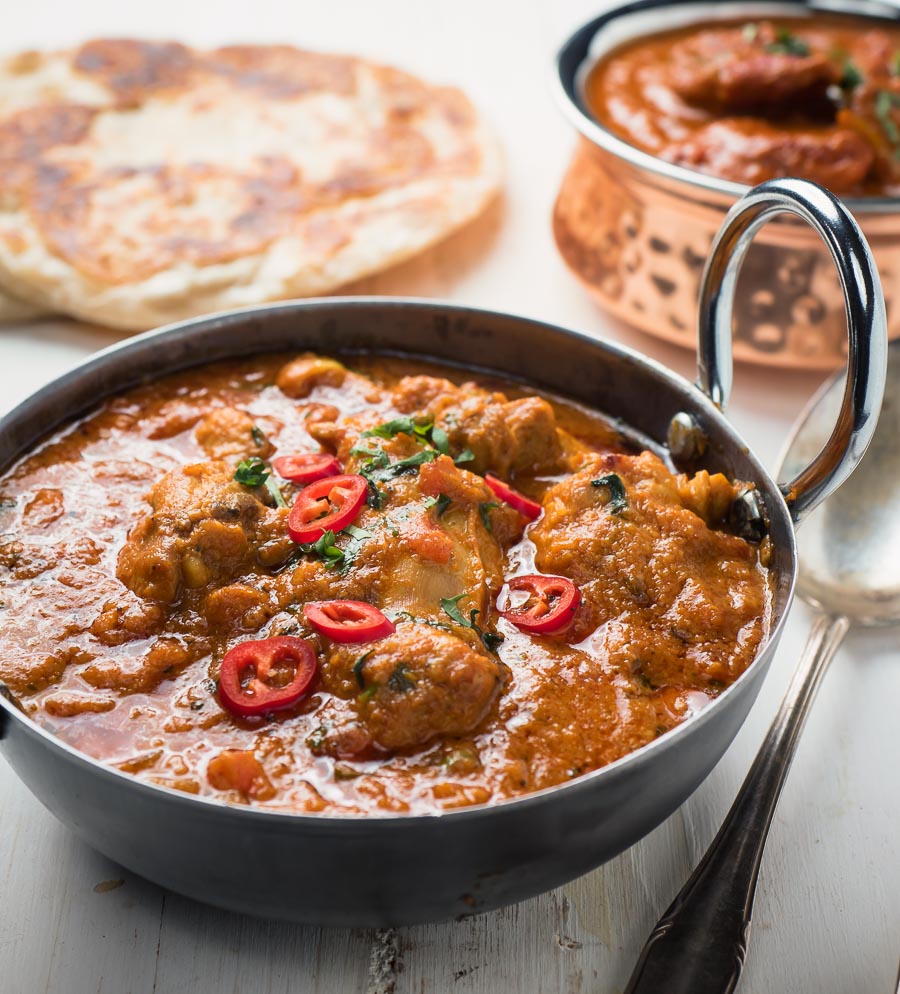
The Cream, Tomatoes & Bone-In Chicken: Secrets to Restaurant Karahi
For many, the mention of Indian food instantly conjures images of creamy Butter Chicken, fiery Vindaloo, or ubiquitous Tikka Masala. While these classics certainly have their place, there's a world of culinary wonders waiting to be discovered beyond the typical menu. Enter the Karahi, specifically the rich, luscious, and utterly addictive
karahi chicken Indian restaurant style. This isn't your everyday curry; it's a dish that takes the comforting, rustic flavors of homestyle cooking and elevates them with a distinctive restaurant-level finesse, boasting a gravy so thick and vibrant it could carry an entire establishment on its back.
What makes restaurant-style Karahi stand out from its home-cooked counterpart, or indeed, from many other curries? It's a combination of specific ingredients and techniques that create a depth of flavor and a luxurious texture that is truly unparalleled. Imagine tender, juicy chicken pieces swimming in a robust, tomato-based sauce, bright with fresh aromatics and finished with a touch of magic that transforms it into something unforgettable. This is the promise of Karahi, a dish that once tasted, will have you craving more.
The Unsung Heroes: Cream, Tomatoes, and Bone-In Chicken
The secret to that signature restaurant-quality Karahi lies in a trio of key ingredients, each playing a crucial role in crafting its unique profile. These aren't just additions; they are foundational elements that define the dish's character and texture.
First among these is
cream. While many Indian recipes traditionally use yogurt for tang and body, restaurant-style Karahi often eschews it in favor of a dash of fresh cream. This seemingly small substitution makes a profound difference. Yogurt can sometimes curdle or add an unwanted sour note, especially when cooked at high heat. Cream, however, lends an unparalleled richness and silky mouthfeel, emulsifying beautifully with the tomato base to create that distinctive lusciousness. It doesn't just add fat; it *enriches* the entire experience, softening the edges of the spices and adding a luxurious sheen that signals a truly special dish. A taste test before and after adding the cream will reveal just how transformative this ingredient truly is, elevating the sauce from merely flavorful to wonderfully indulgent. To delve deeper into the science of rich gravies, explore how cream contributes to that perfect consistency in our article,
Unlock Restaurant-Style Karahi: The Secret to Rich Indian Gravy.
Next, we turn to
tomatoes. These aren't just filler; they are the vibrant heart of Karahi. The sauce's signature tang and body come from ripe, fresh tomatoes. While convenience might tempt you to reach for canned varieties, the restaurant experience hinges on the brightness and natural sweetness of fresh produce. Expert chefs often emphasize using the reddest, juiciest tomatoes, perhaps even heirloom varieties for their intense flavor. These are typically pureed or finely chopped and cooked down until they break apart and release their sugars, forming a robust foundation for the spices and chicken. Avoiding under-ripe or overly watery tomatoes is crucial, as they can dilute the flavor and make achieving that thick, concentrated gravy a challenge.
Finally, and perhaps most importantly, is the absolute insistence on
bone-in chicken. While boneless chicken offers convenience, it simply cannot replicate the depth of flavor that bones impart. As the bone-in chicken simmers, marrow, collagen, and other compounds leach into the sauce, enriching it with a savory umami that is impossible to achieve otherwise. The bones also help the chicken retain moisture, resulting in incredibly tender, succulent pieces that pull away easily. If you truly want to capture that authentic, deeply flavored
karahi chicken Indian restaurant style, committing to bone-in pieces – often cut into medium-sized portions – is non-negotiable. It’s the kind of subtle yet significant detail that separates a good curry from an extraordinary one.
Beyond the Usual Suspects: Why Karahi Deserves Your Attention
It’s no secret that many Indian restaurant menus across the globe tend to feature a recurring cast of characters. While there’s nothing inherently wrong with a well-made Rogan Josh or a comforting Madras, a billion people can't be wrong about the sheer diversity of Indian and Pakistani cuisine. For those who have explored the staples and are yearning for something fresh, something with a homely touch yet undeniably sophisticated, Karahi chicken is a revelation.
This dish is a delightful departure from the commonplace. It brings a "newness" to the table, often found on fewer menus, making it a rare and treasured find. Despite its restaurant-level appeal, Karahi retains that undeniable "mom in the kitchen" taste – familiar, comforting, and deeply satisfying. It's a testament to simple ingredients brought together in a way that just *works*. This blend of rustic charm and refined flavor is precisely why Karahi offers a truly distinct culinary experience, standing tall against the titans of Indian gastronomy. It’s vibrant, tangy, and boasts a unique spice profile that differentiates it from the sweeter, creamier curries or the heavily spiced, dry preparations. If you're ready to expand your palate and try something truly special, understand
Beyond Tikka Masala: Why Restaurant Chicken Karahi Is Your Next Obsession.
Mastering the Karahi: Techniques for Restaurant-Quality Results
Achieving the perfect
karahi chicken Indian restaurant style isn't just about the ingredients; it's also about the method. The name itself, "Karahi," refers to the thick, circular, and deep cooking pot, similar to a wok, traditionally used for this dish. While you don't necessarily need an authentic karahi pot, a heavy-bottomed wok or Dutch oven will suffice to replicate the cooking conditions.
1.
High Heat Searing: The process typically begins with searing the bone-in chicken pieces in hot oil, often along with ginger-garlic paste. This creates a beautiful crust and locks in the juices, building the initial layer of flavor.
2.
Building the Base: Once the chicken is browned, the heart of the Karahi begins to form. Freshly pureed or finely chopped tomatoes are added and cooked down thoroughly. This crucial step, often overlooked, allows the tomatoes to break down completely, releasing their sweet and tangy juices and forming a thick, rich paste that will become the gravy. Patience here is key; you want the oil to separate from the tomato mixture, indicating it's fully cooked.
3.
Spice Layering: The spices, though straightforward, are added strategically. Often, whole spices are tempered in oil first, followed by ginger-garlic paste, then powdered spices like cumin, coriander, red chili, and turmeric. This layering ensures each spice contributes its full aromatic potential without burning.
4.
Slow Simmering: After the tomatoes and spices are integrated, the chicken is returned to the pot and simmered gently. This allows the chicken to cook through, absorbing the rich flavors of the gravy and becoming incredibly tender.
5.
The Fenugreek Finish: One "oddball" ingredient that truly sets Karahi apart is
Kasuri Methi, or dried fenugreek leaves. While you might need to visit an Indian grocery store for these, the effort is well worth it. Crushing a small amount of these aromatic leaves between your palms and sprinkling them into the Karahi towards the end of cooking adds an inimitable depth, a slightly bitter, earthy, and highly fragrant note that is quintessential to the dish. This specific aroma is a hallmark of authentic Karahi.
6.
Garnish for Freshness: Finally, the dish is typically garnished generously with fresh ginger juliennes, sliced green chilies, and a shower of fresh cilantro. These not only add visual appeal but also provide a burst of freshness and a subtle heat that cuts through the richness, balancing the overall flavor profile.
The Essential Spice Palette for Authentic Karahi Chicken
While the allure of restaurant Karahi often feels complex, its foundation lies in a surprisingly accessible array of spices. You won't need a pantry full of exotic ingredients; most can be found at your local grocery store, making this dish approachable for the home cook. The magic isn't in obscure spices, but in the balance and fresh preparation of common ones.
The core spice blend typically includes:
*
Cumin (Jeera): Often used in both whole seed and ground form, providing an earthy, warm aroma. Whole cumin seeds are often tempered in oil at the start of cooking.
*
Coriander (Dhaniya): Like cumin, fresh ground coriander seeds contribute a citrusy, slightly sweet note that is fundamental to the curry's body.
*
Red Chili Powder: For the characteristic heat and vibrant color. The quantity can be adjusted to personal preference, ranging from mild Kashmiri chili powder to hotter varieties.
*
Turmeric (Haldi): A pinch of turmeric adds a beautiful golden hue and subtle earthy undertones, also known for its health benefits.
*
Garam Masala: A finishing spice blend, usually added towards the end of cooking, to infuse the dish with a fragrant, warm complexity. This blend typically includes cinnamon, cardamom, cloves, and black pepper.
*
Fresh Aromatics: Beyond dried spices, generous amounts of fresh ginger and garlic paste are crucial. They form the aromatic backbone, providing a pungent, spicy depth that awakens the palate.
The beauty of these spices is how they interact with the sweet acidity of the tomatoes and the richness of the chicken and cream. When cooked correctly, these simple ingredients create a symphony of flavors that is anything but plain.
In conclusion, the enchanting allure of
karahi chicken Indian restaurant style lies in its thoughtful combination of specific ingredients and time-honored techniques. From the unyielding demand for bone-in chicken to the transformative power of fresh cream and ripe tomatoes, every element plays a pivotal role in crafting that thick, rich, and utterly irresistible gravy. It’s a dish that transcends the ordinary, offering a refreshing alternative to the well-trodden paths of typical Indian restaurant menus. Whether you're a seasoned curry enthusiast or looking to venture beyond the familiar, embarking on the journey to create this exceptional Karahi will undoubtedly reward you with a culinary experience that is both deeply satisfying and memorably delicious. So, gather your ingredients, embrace the process, and prepare to be captivated by the unparalleled taste of authentic restaurant-style Karahi.