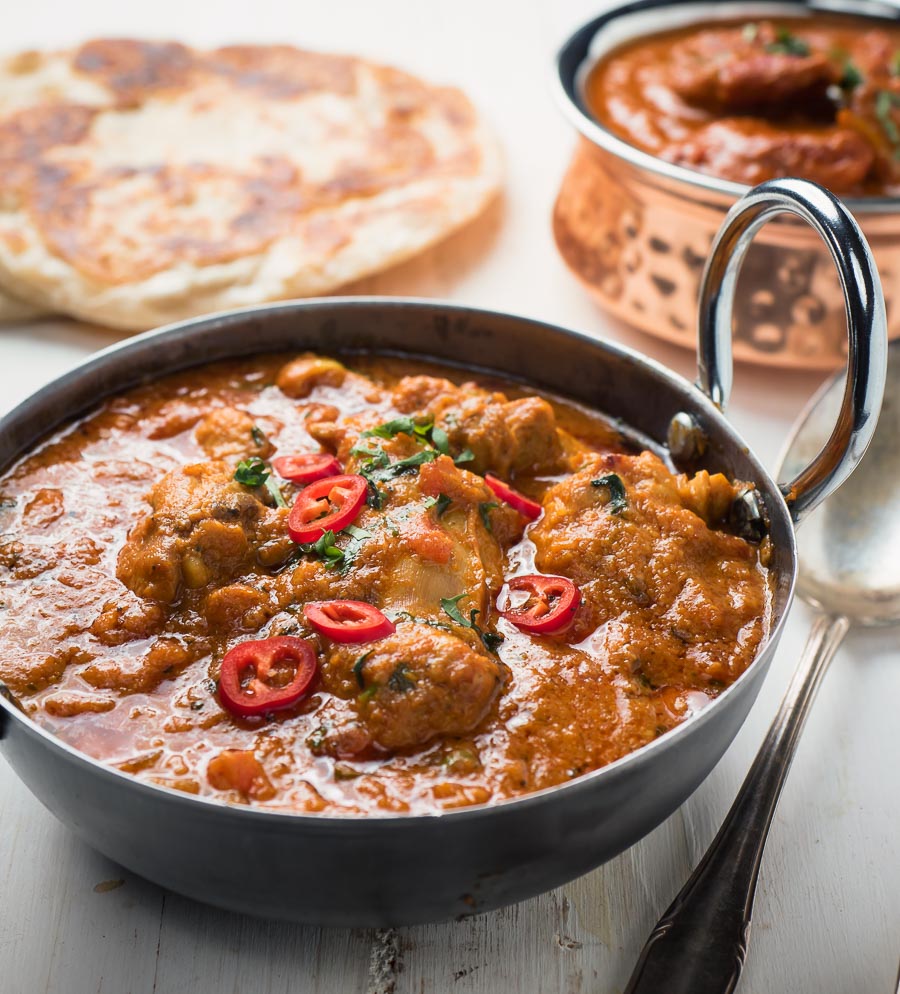
Unlock Restaurant-Style Karahi: The Secret to Rich Indian Gravy at Home
Are you tired of the same old Indian takeout? While classics like Tikka Masala and Jalfrezi hold a special place in our hearts, there's a world of vibrant, lesser-known dishes waiting to be discovered. Among them, the Chicken Karahi stands out – a tantalizing curry renowned for its distinct, luscious gravy and bold flavors. But not just any Karahi; we're talking about that elusive, thick, and rich gravy you only ever seem to get in top-tier Indian restaurants. The good news? Unlocking the secret to a perfect karahi chicken indian restaurant style at home is more achievable than you think.
Often considered a specialty of Pakistani and North Indian cuisine, Chicken Karahi gets its name from the heavy, wok-like pan it's traditionally cooked in. While homestyle versions are wonderfully balanced and relatively simple, the restaurant rendition elevates the dish to an art form, creating a sauce so rich and savory, it will have your friends and family begging for the recipe. So, if you're ready to transcend the ordinary and bring an authentic taste of the subcontinent into your kitchen, prepare to dive deep into the nuances that make this dish a true culinary masterpiece.
What Makes Restaurant-Style Karahi So Irresistible?
Walk into any high-end Indian restaurant, and you'll notice a common thread: the gravies are almost always thicker, glossier, and more intensely flavored than what many home cooks achieve. This isn't just about more oil or butter; it's about a combination of specific ingredients and cooking techniques that build incredible depth. For karahi chicken indian restaurant style, this means a distinct departure from many other curries.
Unlike some of its yogurt-heavy counterparts, restaurant-style Karahi focuses on a vibrant tomato base, elevated by fresh aromatics and a specific kind of richness. It’s a dish that captures the essence of home-cooked comfort but is presented with an unmistakable restaurant finesse. The contrast between the bright, tangy tomatoes and the luxurious, spiced gravy is what sets it apart, offering a complex flavor profile that feels both familiar and excitingly new. It's an experience that’s anything but boring, proving that stepping away from the usual suspects like Jalfrezi and Tikka Masala can lead to truly memorable meals.
Many Indian restaurants stick to a limited menu, but the culinary landscape of India and Pakistan boasts thousands of regional dishes. Karahi chicken, though not as ubiquitous on menus as others, carries the "mom in the kitchen" taste – simple ingredients harmoniously combined – but takes it to the next level for that restaurant-quality finish. It’s an ideal choice for the adventurous home cook looking to expand their repertoire beyond the well-trodden path.
The Core Secrets to that Signature Karahi Gravy
Achieving that coveted thick, velvety gravy for your karahi chicken indian restaurant style isn't about complicated techniques, but rather understanding a few pivotal ingredient choices and their roles. These are the details that separate a good karahi from an extraordinary one.
The Cream vs. Yogurt Debate: A Game-Changer
While many Indian curries rely on yogurt for its tangy creaminess and tenderizing properties, the secret to the truly luscious restaurant-style Karahi gravy lies elsewhere: cream. A splash of fresh cream at the right moment transforms the dish. It adds a profound richness and a silken texture that yogurt simply cannot replicate. Yogurt can sometimes split or curdle if not handled carefully, and its acidity can dominate the delicate balance of spices. Cream, on the other hand, melts seamlessly into the sauce, lending a luxurious mouthfeel and a subtle sweetness that perfectly complements the robust flavors without overpowering them. It's a small addition that makes a remarkably big difference, adding an upscale touch that defines the restaurant experience.
The Magic of Fresh Tomatoes: Brightness and Depth
The very heart of a perfect Karahi is its signature tomato-based gravy. For this, fresh, ripe tomatoes are non-negotiable. They provide the vibrant color, the essential tang, and the bulk of the gravy's body. The key is to use high-quality tomatoes – not unripe ones or, as some experts warn, certain types like "tomatoes on the vine" that might lack the desired depth or acidity. Opt for ripe, red, fleshy tomatoes that will break down beautifully into a rich, pulpy sauce. This 'tomato-y goodness' is what forms the vibrant foundation for the spices and aromatics to shine.
Bone-In Chicken: Non-Negotiable Flavor
For an authentic karahi chicken indian restaurant style experience, you simply must use bone-in chicken. While boneless chicken offers convenience, the bones impart an incredible depth of flavor to the gravy as they simmer. They release collagen and marrow, enriching the sauce with a umami quality that is impossible to achieve with boneless cuts. This is a subtle yet crucial detail that connoisseurs instantly recognize – "if you know, you know." The bones also help the chicken stay juicier, contributing to a more tender and flavorful finished dish. For more insights into these critical choices, check out The Cream, Tomatoes & Bone-In Chicken: Secrets to Restaurant Karahi.
Unlocking the Flavor Profile: Spices and Aromatics
Despite its complex taste, the spice profile for restaurant-style Karahi is surprisingly straightforward, relying on a judicious blend of common Indian spices and fresh aromatics. You won't need to hunt for exotic ingredients in obscure corners of the internet.
The Essential Spice Symphony
The foundation of Karahi's flavor comes from a blend of everyday spices. Typically, you'll find a combination of:
- Cumin and Coriander: Often toasted and ground, they form the aromatic backbone.
- Red Chili Powder: For heat, adjusted to your preference.
- Turmeric: For color and its earthy notes.
- Garam Masala: Added towards the end for an extra burst of aromatic warmth.
The "Oddball" Ingredient: Fenugreek Leaves (Kasuri Methi)
While most ingredients are readily available, there's one "oddball" that truly elevates the Karahi: dried fenugreek leaves, or Kasuri Methi. You might need to make a trip to an Indian grocery store for these, but the effort is well worth it. Kasuri Methi adds a unique, slightly bitter, and intensely aromatic note that is characteristic of authentic Indian restaurant curries. When crushed between your palms and added towards the end of cooking, it imparts a distinct fragrance and depth that cannot be replicated. It’s that certain something that pushes your homemade Karahi from good to truly exceptional.
Your Guide to Mastering Restaurant Karahi at Home
Now that you know the secrets, let's look at how you can apply them to create your own masterful karahi chicken indian restaurant style.
Sourcing Your Ingredients: Quality Matters
- Chicken: Opt for bone-in, skinless chicken pieces, such as thighs and drumsticks, or a mix of cuts for varied texture. Small to medium pieces cook best.
- Tomatoes: Choose ripe, plump, and red tomatoes. San Marzano plum tomatoes, or similar varieties, often yield excellent results. Avoid overly watery or pale tomatoes.
- Cream: Heavy cream or whipping cream works best. Avoid low-fat alternatives, as they won't provide the same richness.
- Kasuri Methi: Seek out dried fenugreek leaves at an Indian or Asian specialty store. Store them in an airtight container.
- Spices: Use fresh, good-quality whole spices if possible, grinding them just before use for maximum flavor.
Cooking Philosophy: Building Layers of Flavor
The journey to restaurant-style Karahi is less about rigid steps and more about a philosophy of building layers of flavor.
- Searing the Chicken: Start by searing the bone-in chicken pieces until golden brown. This locks in juices and builds a flavorful fond at the bottom of your karahi (or heavy-bottomed pot/wok).
- Aromatic Base: Sauté ginger, garlic, and green chilies until fragrant. This forms the aromatic foundation.
- Spice Infusion: Add your ground spices and cook briefly until fragrant, ensuring they don't burn.
- Tomato Power: Introduce your chopped or puréed fresh tomatoes. This is where the magic begins. Cook them down patiently, stirring occasionally, until the oil separates from the masala. This crucial step, known as "bhooning," concentrates the tomato flavor and develops the gravy's body.
- Simmering with Chicken: Return the chicken to the pot, mix well with the masala, and simmer gently. The bones will release their flavor, tenderizing the chicken and enriching the sauce.
- The Creamy Finish: Just before serving, stir in the fresh cream. It will transform the texture and add that signature restaurant richness.
- Kasuri Methi & Garnish: Crush the Kasuri Methi between your palms and sprinkle it in, along with a final garnish of fresh ginger juliennes and green chilies for a burst of freshness and aroma.
Serving Suggestions
This magnificent dish deserves to be enjoyed properly. Serve your homemade Karahi hot, straight from the cooking pot if possible, with warm naan bread, roti, or fluffy basmati rice to soak up every last drop of that glorious gravy. A simple side of sliced onions and a squeeze of fresh lime juice can further enhance the experience.
Conclusion
Venturing beyond the familiar can be incredibly rewarding, especially when it leads you to a dish as spectacular as karahi chicken indian restaurant style. By understanding the critical roles of fresh tomatoes, rich cream, and bone-in chicken, along with the distinctive touch of Kasuri Methi, you are now equipped to recreate that thick, luscious, and intensely flavorful gravy right in your own kitchen. It's a dish that celebrates the vibrant tapestry of Indian and Pakistani cuisine, offering a dining experience that's both authentic and utterly delicious. So, gather your ingredients, fire up your karahi, and prepare to impress your taste buds – and your guests – with this truly special culinary creation.
